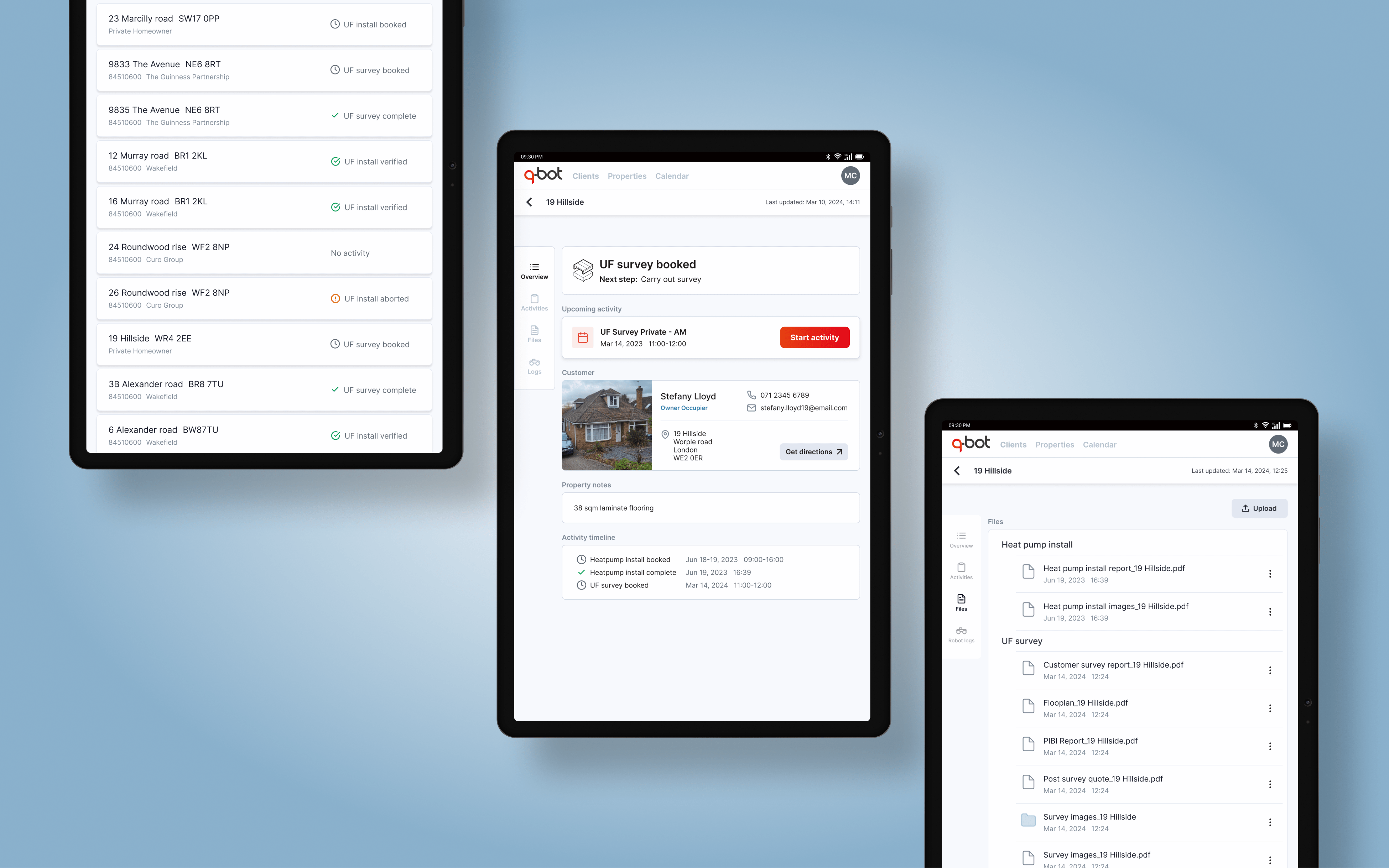
Restructuring a growing B2B SaaS platform into a scalable system that kept retrofit installation quality auditable, improving access to critical information and reducing operational friction across the programme.
The platform supports the management of underfloor insulation surveys and installations across distributed field teams.
Over time, it evolved without a coherent design system or information architecture. As a result:
Alongside a backend migration, we redesigned the frontend to improve usability, scalability and accessibility across the system.
The platform had evolved around the product's underlying structure rather than the way people worked. Technicians in the field and project managers coordinating surveys were funnelled through the same screens, navigating around features they didn't need to reach the information they did.
As the product grew, that disconnect became increasingly costly:
The result was a platform that became harder to use, maintain and extend as the business scaled.
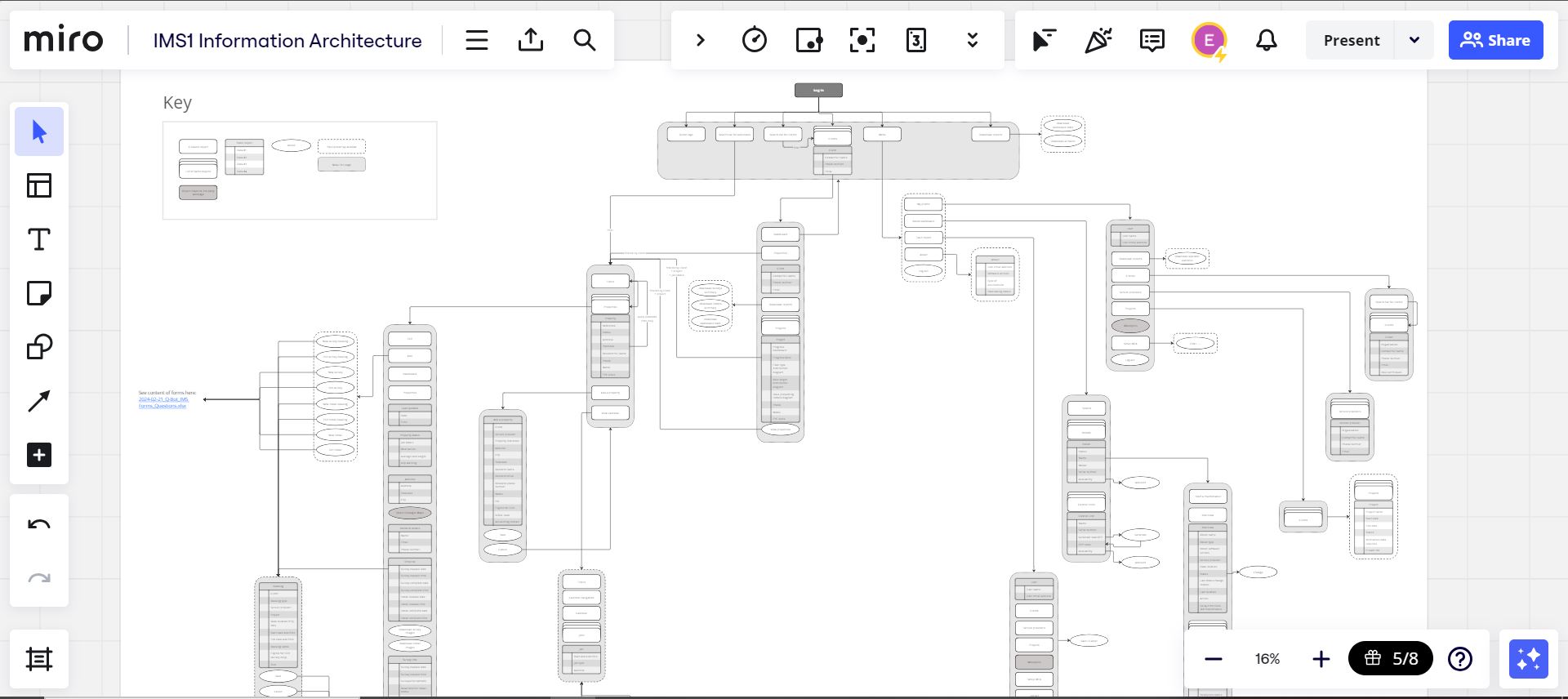
To support a shift in market positioning, I defined two primary user groups with distinct but overlapping needs:
This helped prioritise essential system capabilities and define a clearer structural foundation, including:
The design approach focused on simplifying complexity while ensuring the system could scale with new use cases. This included:
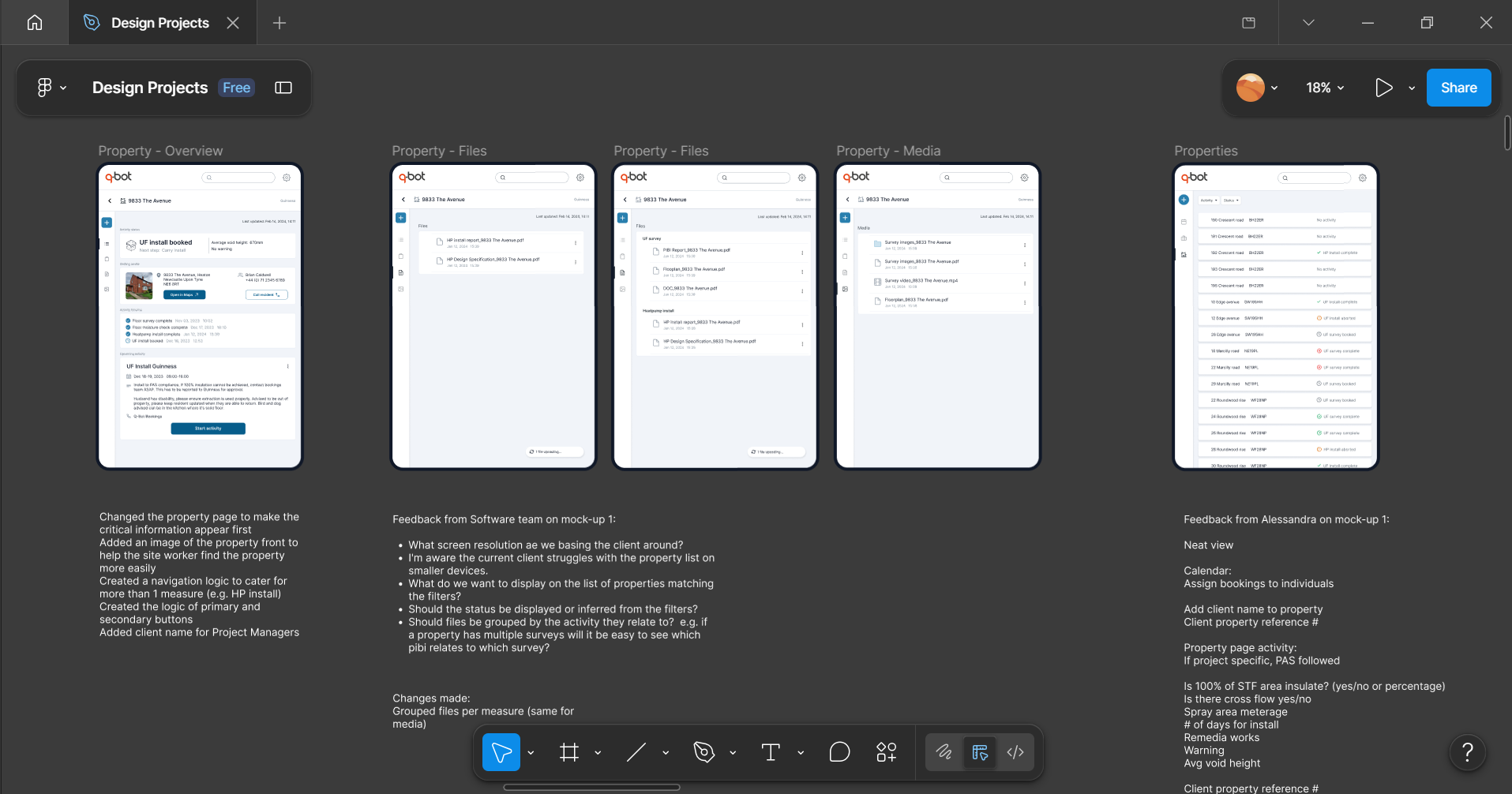
The Property Page is a critical point in the system, used to access and manage all project-related information. The original interface had evolved incrementally, resulting in:
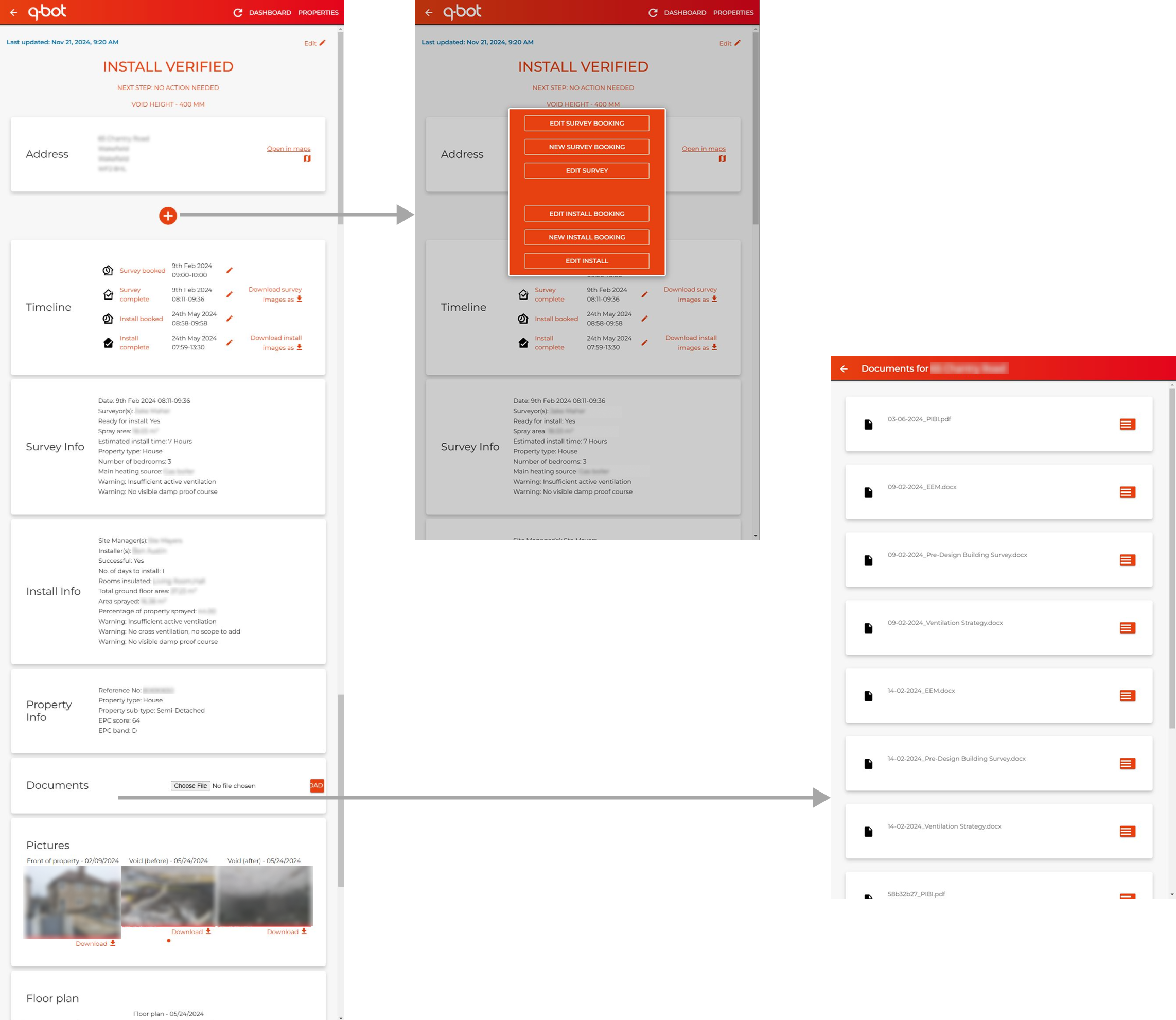
Rather than a full redesign, I restructured the information architecture to better reflect how users access and prioritise information in real-world contexts.
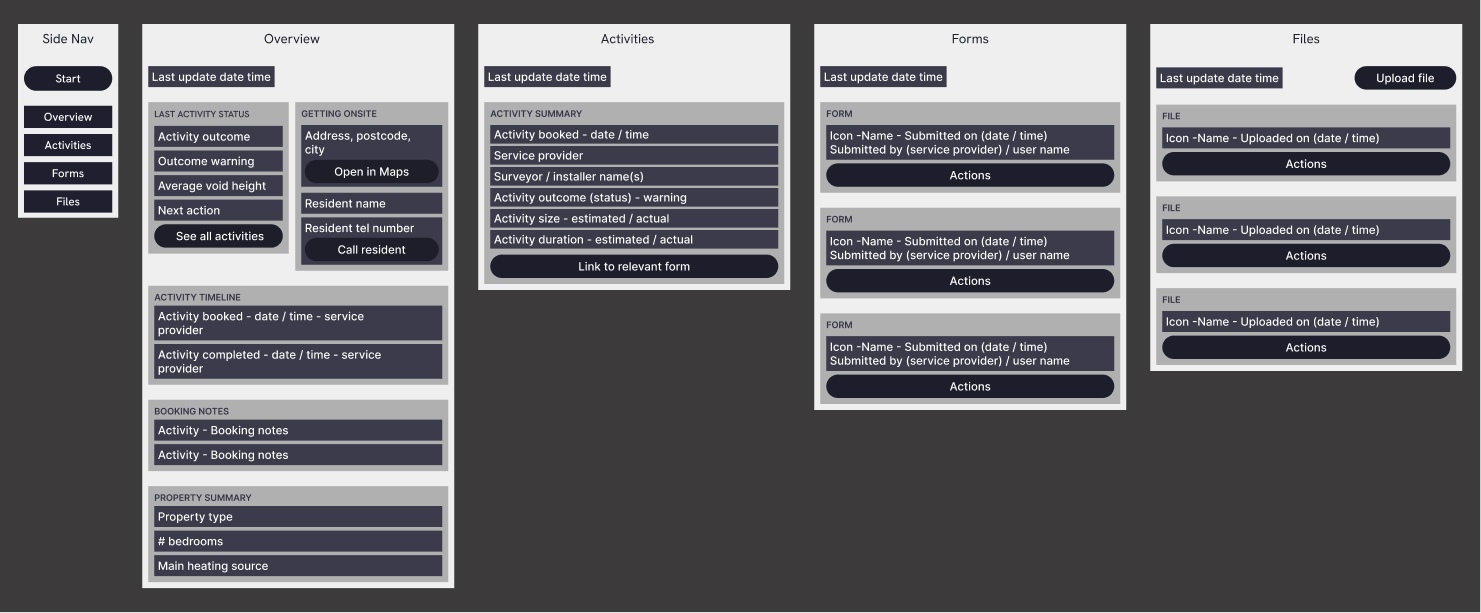
Key improvements included:
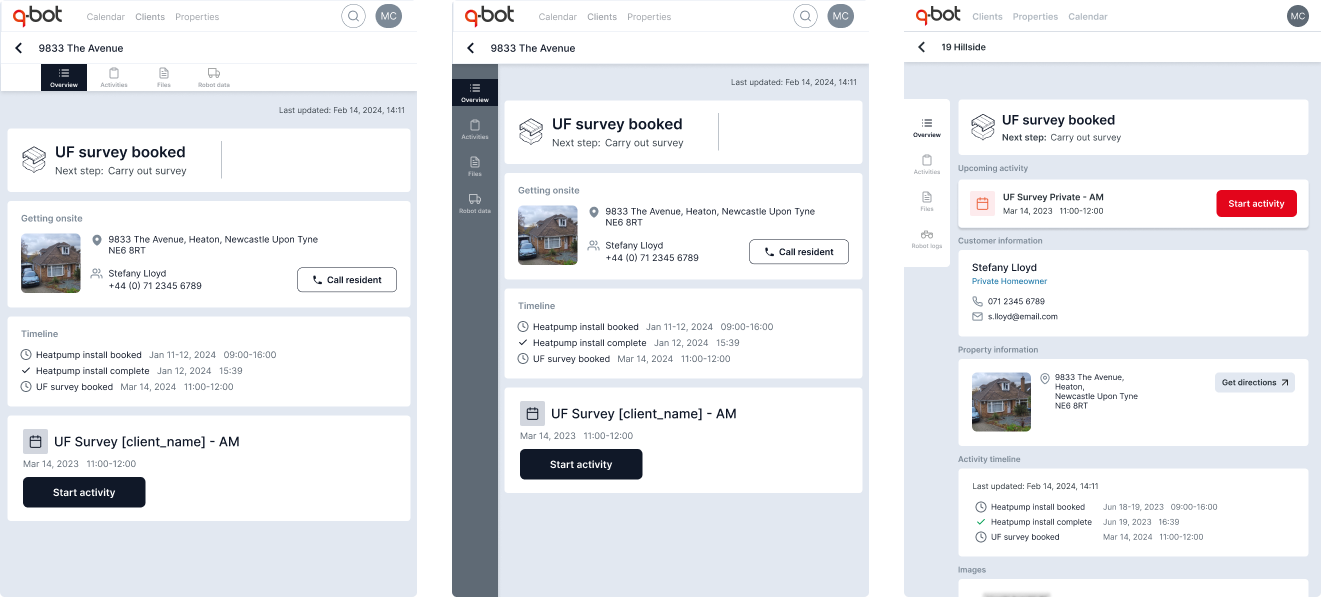
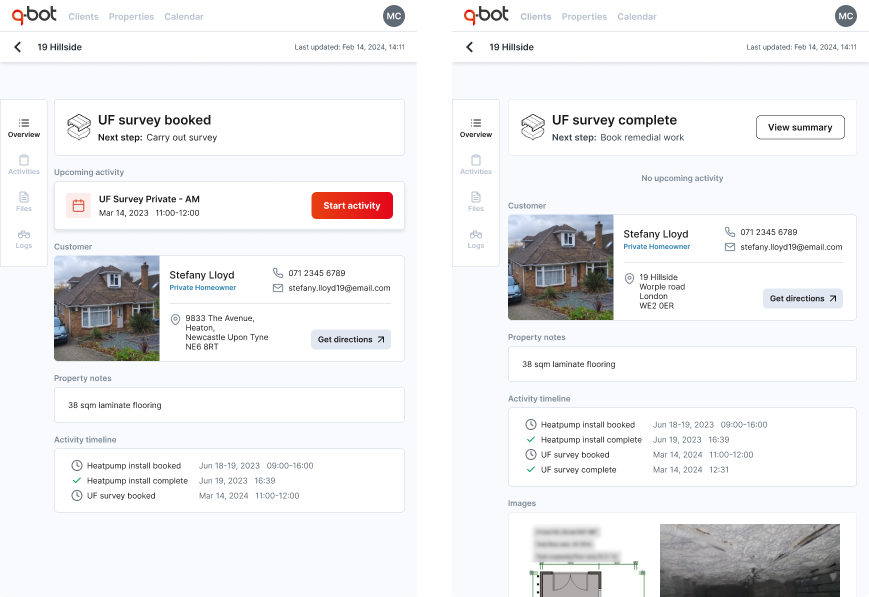
Property pages couldn't be accessed directly. To open one, the team had to start from the homepage and search for the property every time. By introducing stable URLs, we made each property page linkable from the CRM the team already used, reducing access from four steps to one.
The restructure changed how teams access and work with project data. The most visible improvement was in the highest-frequency task: opening a property from the CRM. What had previously required four steps could now be done in a single click through deep-linkable property URLs.
The platform is now deployed across distributed field teams, supporting underfloor insulation projects at scale.
The most interesting challenge was to create and integrate a new design system to scale the platform without redesigning it entirely. — Key takeawayNext project →
Outside of work, I'm currently building side projects and am always happy to discuss or get involved in problem-solving challenges. Have something in mind? Get in touch.
Email me